تعادل القوة الشرائية (PPP): دليل تقييم العملات لتجار الفوركس
الخميس 03 محرم 2026
Geopolitical tensions in the Middle East have made their mark on trading trends, with the price of oil (CL) rising while stocks took a hit following the 1 October ballistic missile attack by Iran on Israel. While further developments are as yet shrouded in uncertainty, traders the globe over are already taking action. Let’s dive in:
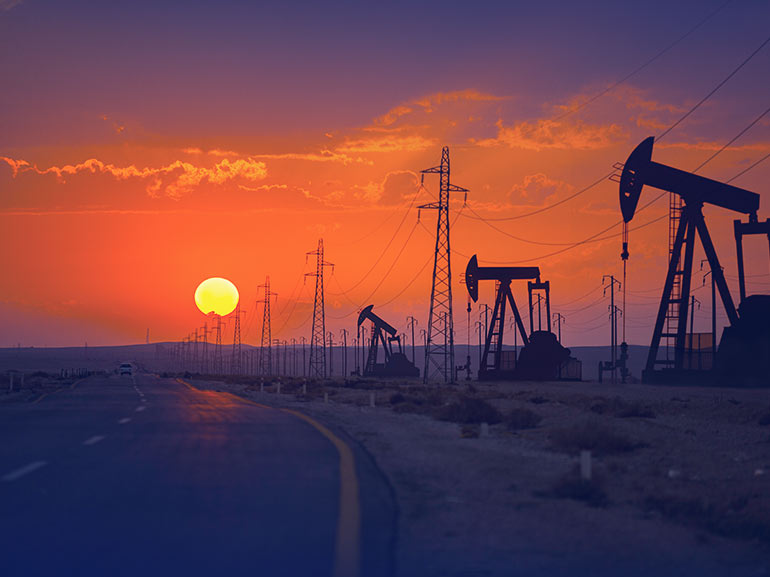
With the implications of Tuesday’s missile volley still not yet fully understood, global commodities traders responded by pushing the price of crude up by more than 1%, while international benchmark Brent oil (EB) rose by 0.8% in value.
The oil market characteristically responds to shifts in the global balance of power or significant tensions since war can affect shipping lines and thus supplies of this crucial commodity. This observation is all the more relevant when the relevant conflict takes place within the Middle East, source to much of the world’s oil.
While this latest escalation between Israel and Iran has raised concerns that the anticipated wider Middle Eastern conflict may now be unfolding, the actual increase has been relatively modest, suggesting that market actors still consider it more likely than not that oil supplies from the region will continue uninterrupted, even amid ongoing hostilities. The key players in the conflict, while engaged in military action, still would most likely prefer not to put kinks into global energy suplly chains. Disruptions would have far-reaching consequences, not only for the economies of oil-producing nations but also for global energy markets.
In the United States, some have speculated that this intensifying conflict could lead to significant oil shortages, pushing up gasoline prices and influencing the political landscape, especially with the upcoming elections. However, it seems unlikely that this will evolve into an "energy war," as both sides would suffer economically from disrupting oil supplies.
Iran is a significant player in global oil markets, supplying about 1.5% of the world's oil, as well as a member of OPEC+. A complete halt in Iranian oil exports, particularly if the Strait of Hormuz—through which 21% of the world’s oil flows—were blocked, could push prices well beyond $100 per barrel. Other regional powers, such as Saudi Arabia, also have little interest in an oil shock, prioritising stability over short-term gains from higher prices.
However, it seems, for the moment at least, that the chain of events could quickly take an unexpected turn, and this uncertainty is influencing market dynamics beyond global petrol markets as well:
With so much of the near future seeming up in the air, the stock market mood moving toward a more risk-averse disposition across major Asian indices may not have come as a surprise to savvy market watchers this 2 October. The Tokyo-based Japan 225 (Nikkei 225) dropped by more than 2% in overall value by the ring of the closing bell Wednesday, while Australia’s ASX 200 (SPI 200) fell by a more modest 0.1%.
Many analysts link these declines to the aforementioned concerns regarding developments emanating from the Middle East. On the other hand, not all Asian indices are in the red as of the morning of 2 October, showing that other considerations are being weighed by those on the continent’s trading floors as well.
Underscoring the importance of considering a wide range of factors when analysing the stock markets, the jump on the Hang Seng Index (Hong Kong 50) was over 6% as of midmorning Wednesday. Even as many market sectors were defined in their trading dynamics on 2 October by Iran’s missile attack, the buying incentive offered by the Chinese government’s recent stimulus measures might have outweighed these concerns for China’s share investors. Whether and how long this will last depends on global developments beyond the Chinese Communist Party’s control.
All in all, markets from indices to commodities the world over are showing significant, although still measured, responses, to the Middle East conflict’s latest flare-up as well as other factors. Participants and observers alike will have to wait and see what the days and weeks ahead hold for the global economy.




اكتسب رؤى ثاقبة من خلال مقاطع الفيديو والمقالات والأدلة المفيدة التي توفرها أكاديمية التداول الشاملة.
اكتشف التوجهات السائدة داخل وخارج Plus500.
تم كتابة هذه المعلومات بواسطة Plus500 Ltd. المعلومات مقدمة للأغراض العامة فقط، ولا تأخذ في الاعتبار أي ظروف أو أهداف شخصية. قبل العمل على هذه المادة، يجب أن تفكر فيما إذا كانت مناسبة لظروفك الشخصية، وإذا لزم الأمر، اطلب المشورة المهنية. لا يوجد تعهد أو ضمان لدقة أو اكتمال هذه المعلومات. لا تشكل نصيحة مالية أو استثمارية أو غيرها من النصائح التي يمكنك الاعتماد عليها. أي إشارات إلى الأداء السابق والعوائد التاريخية والتوقعات المستقبلية والتنبؤات الإحصائية ليست ضمانًا للعوائد المستقبلية أو الأداء المستقبلي. لن تكون Plus500 مسؤولة عن أي استخدام قد يتم لهذه المعلومات وعن أي عواقب قد تنجم عن هذا الاستخدام. وبالتالي، فإن أي شخص يتصرف بناءً على هذه المعلومات يفعل ذلك وفقًا لتقديره الخاص. لم يتم إعداد المعلومات وفقًا للمتطلبات القانونية المصممة لتعزيز استقلالية البحث الاستثماري.
عقود الفروقات CFD على العملات الرقمية غير متاحة لعملاء التجزئة.